- Views: 142
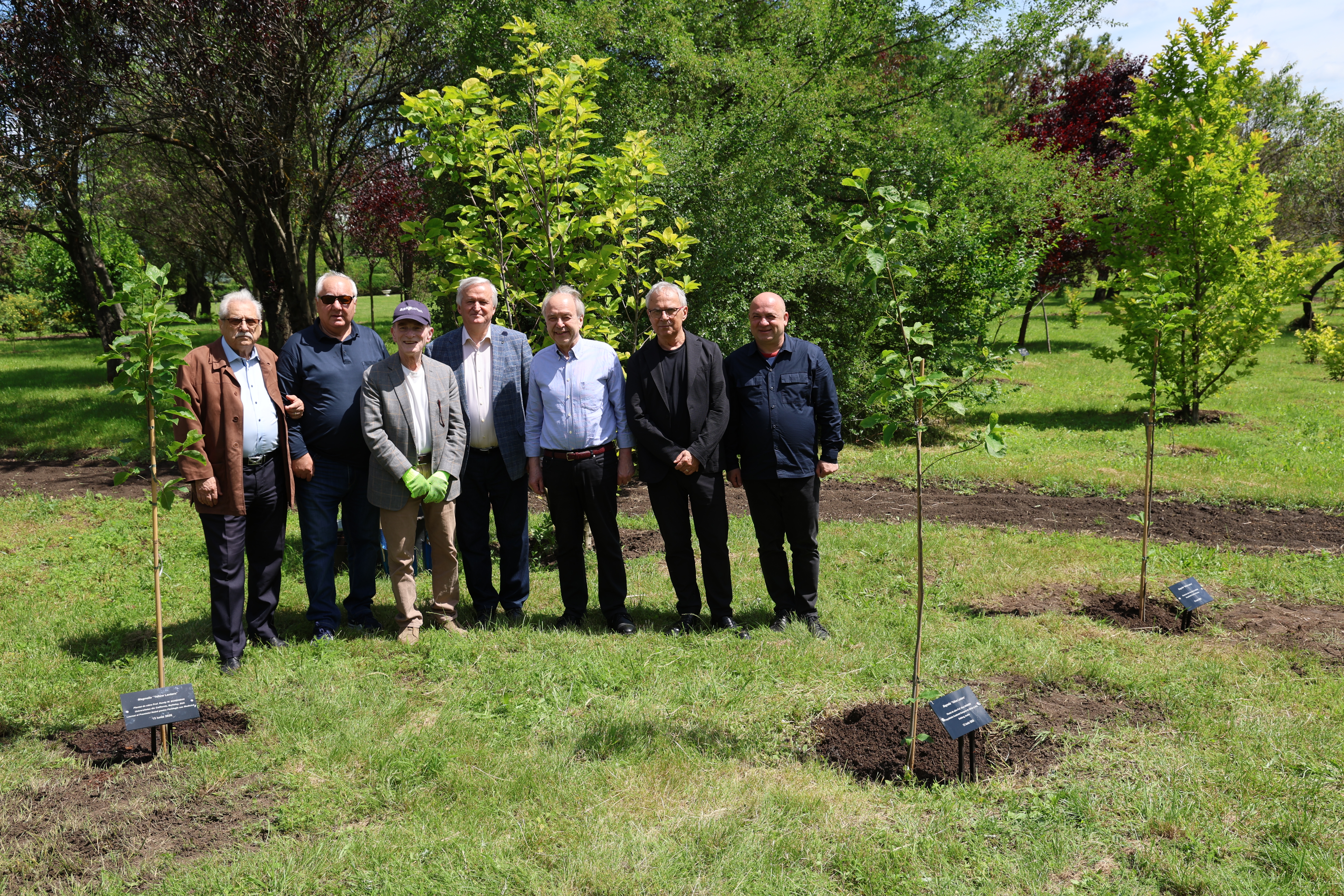
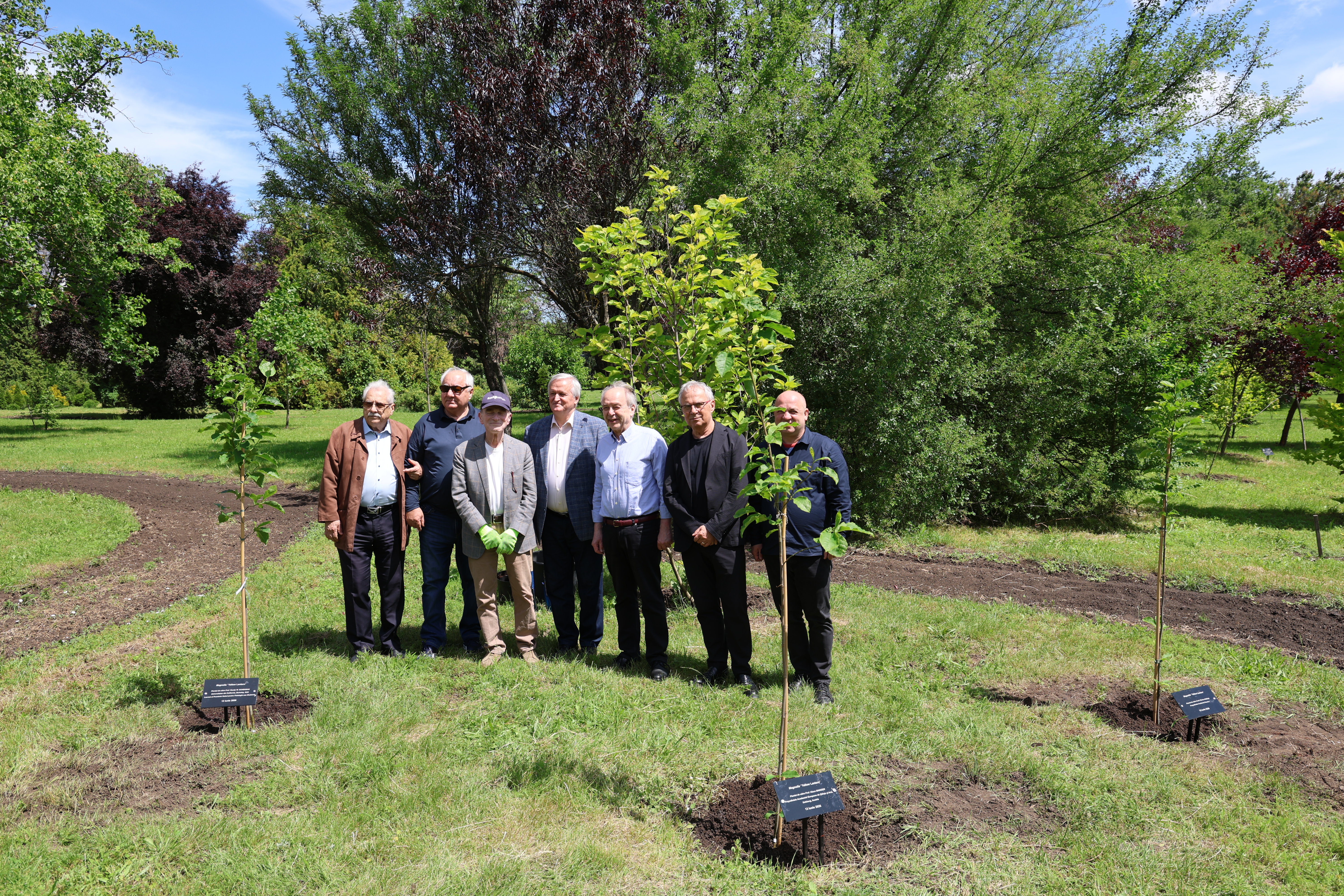
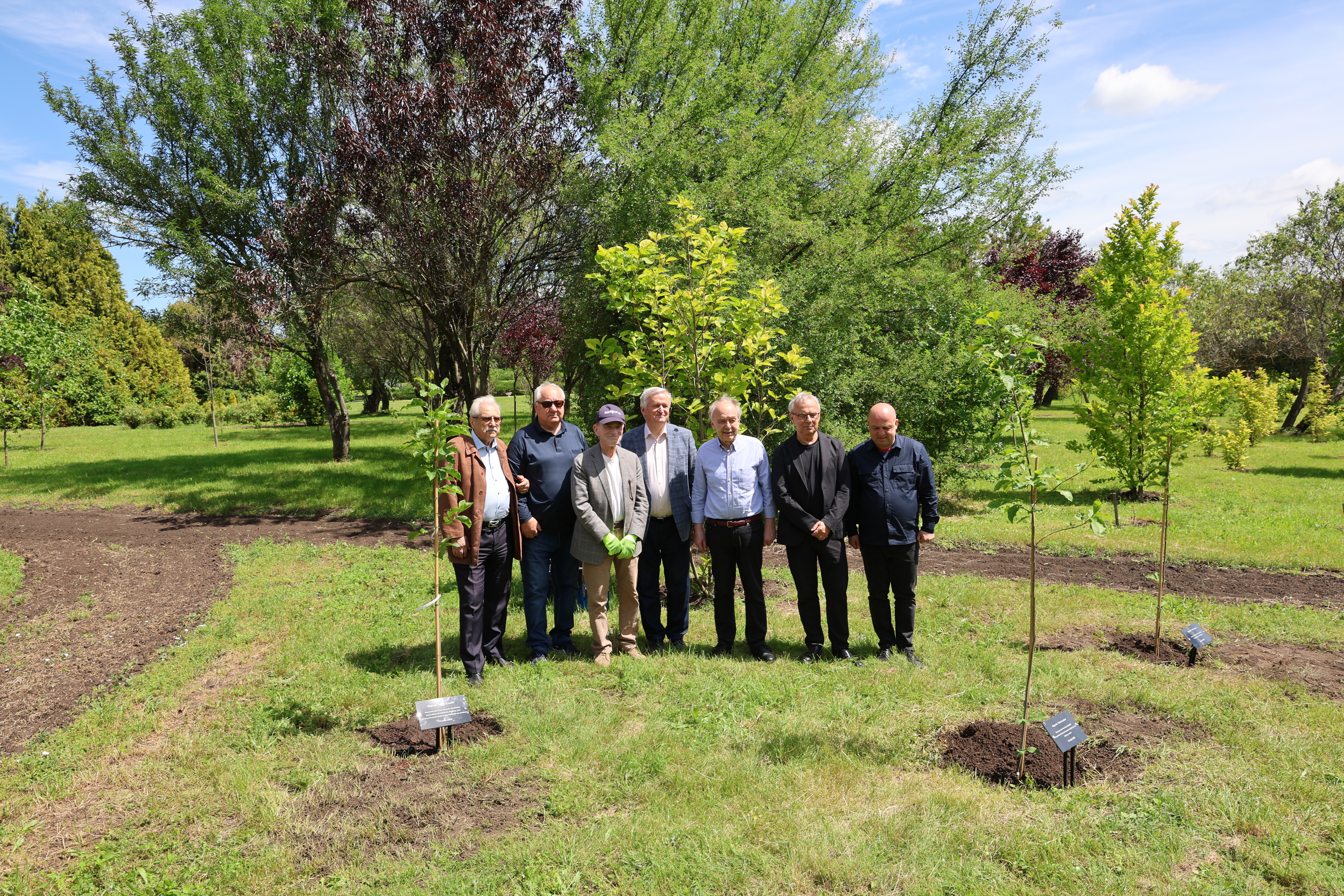
In the context of the events dedicated to the 65th anniversary of the founding of the Academy of Sciences of Moldova and the 80th anniversary of the establishment of the first academic-type research institutes, several distinguished personalities of the international scientific community paid a visit, on June 14, to the “Alexandru Ciubotaru” National Botanical Garden (Institute).
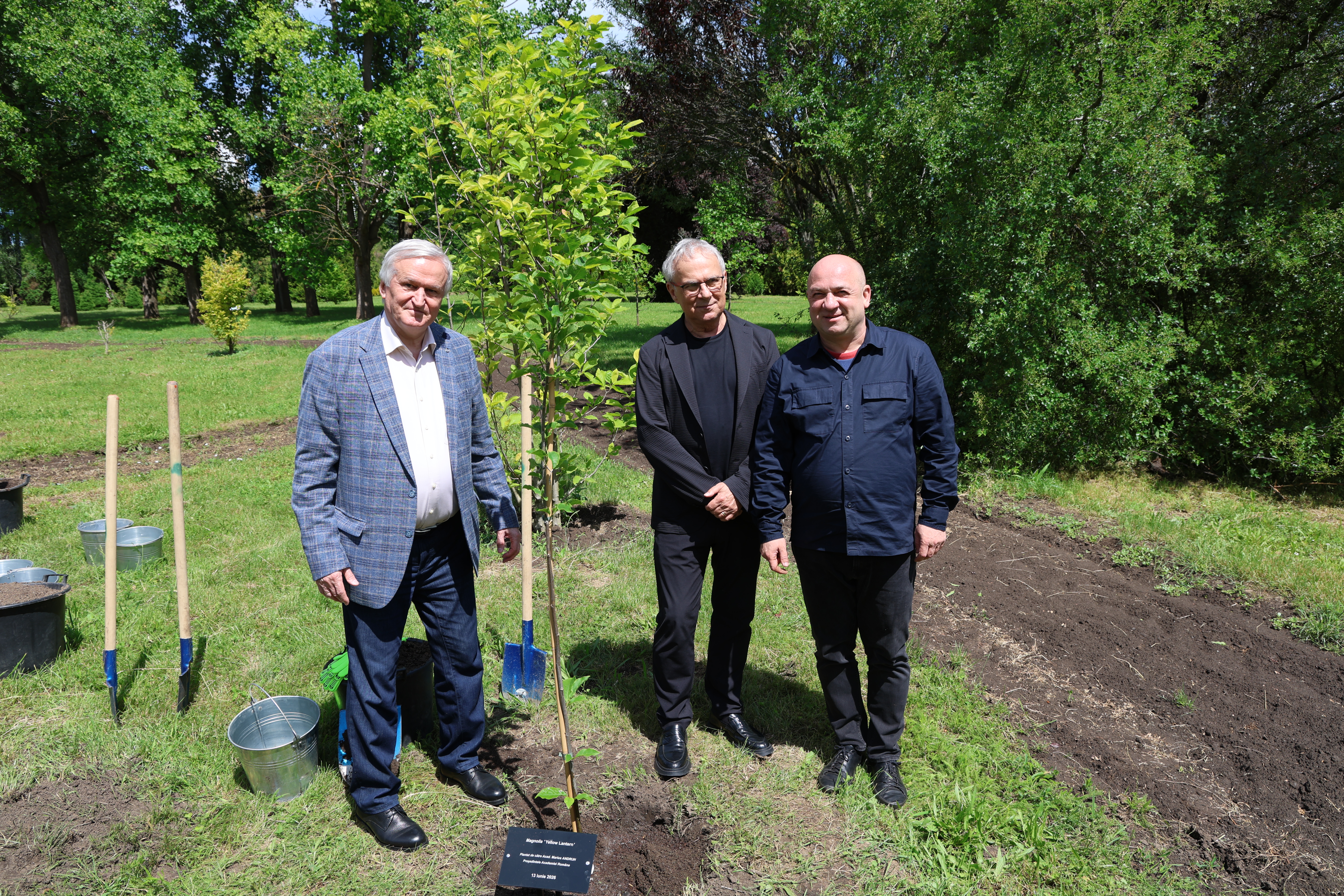
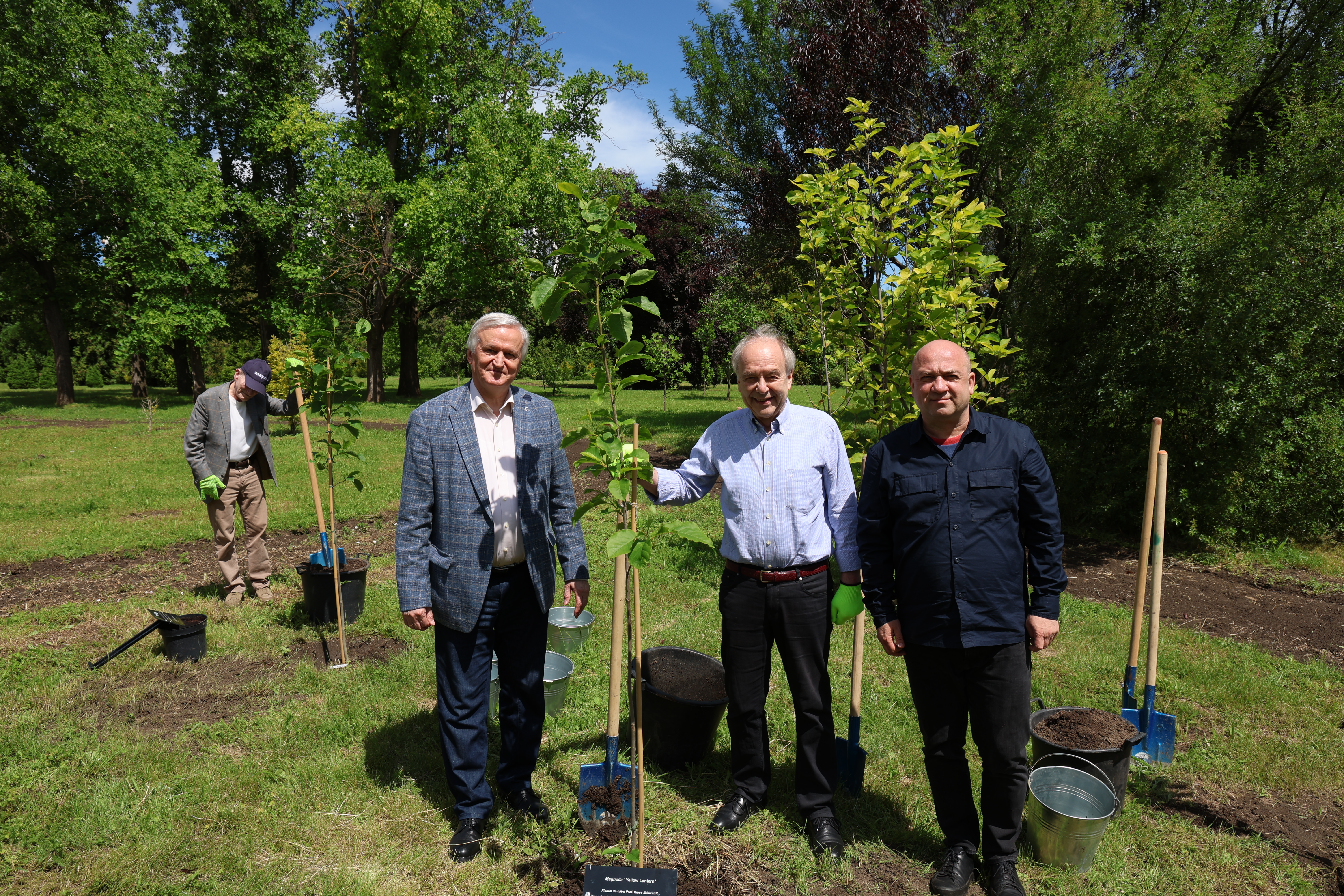
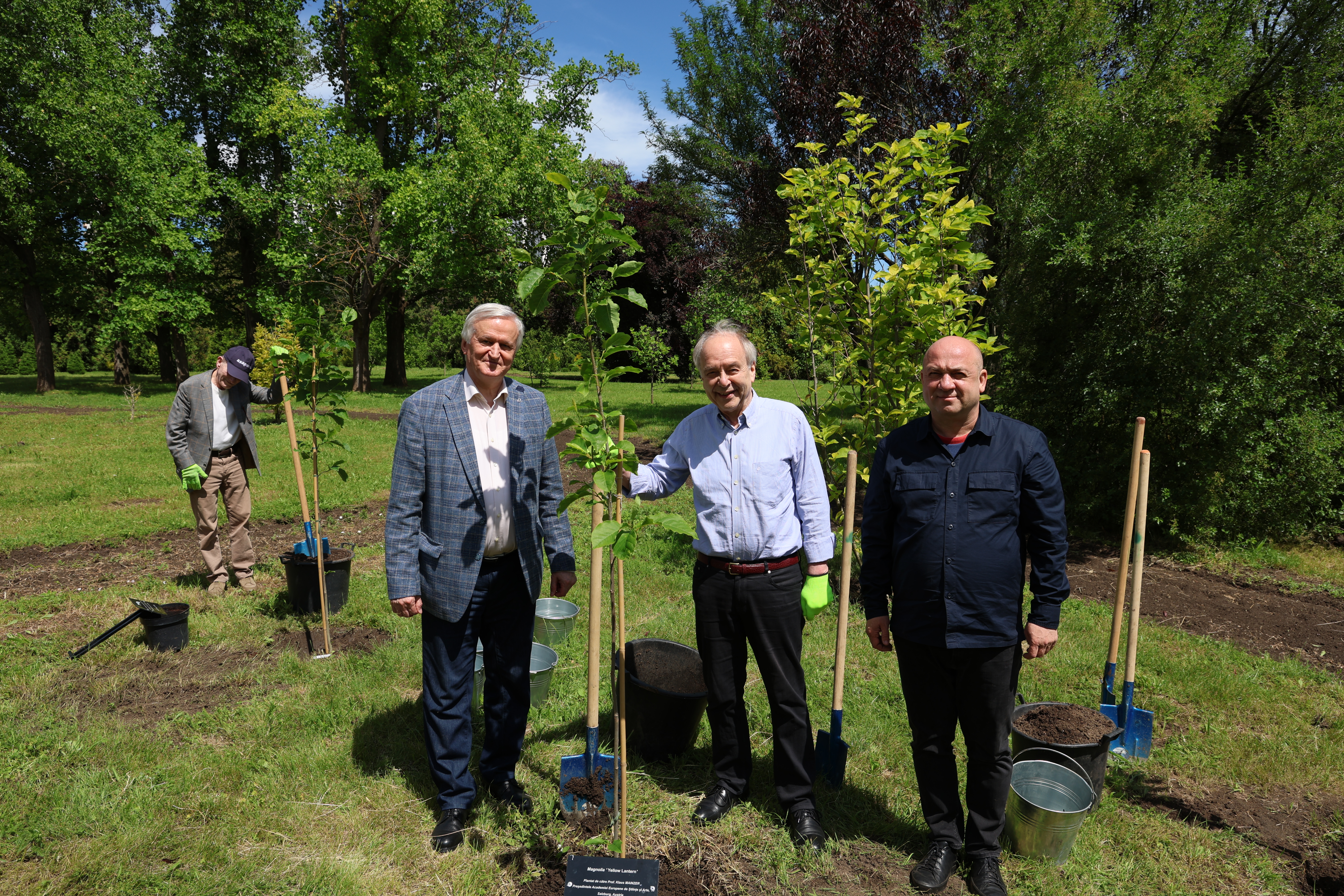
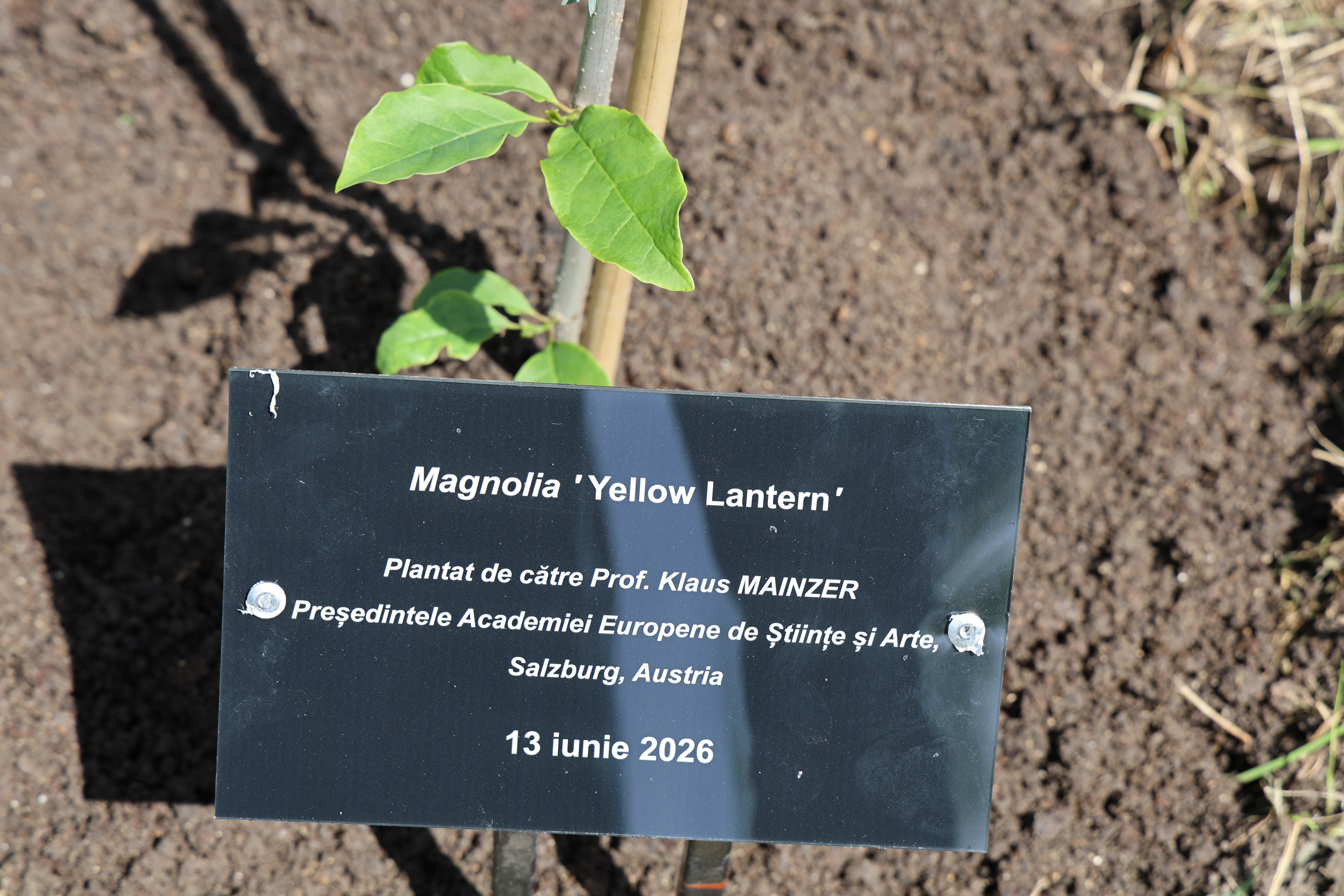
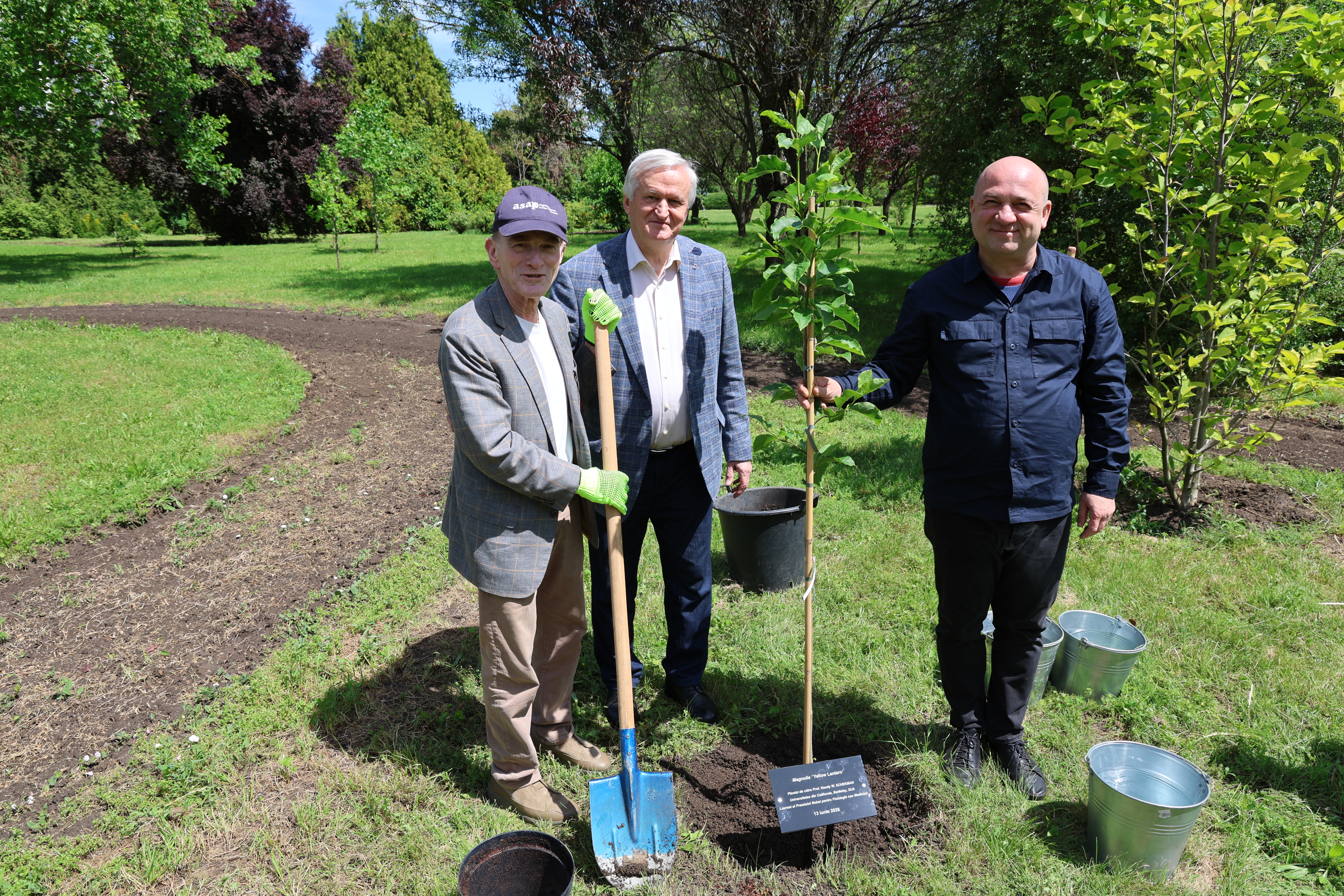
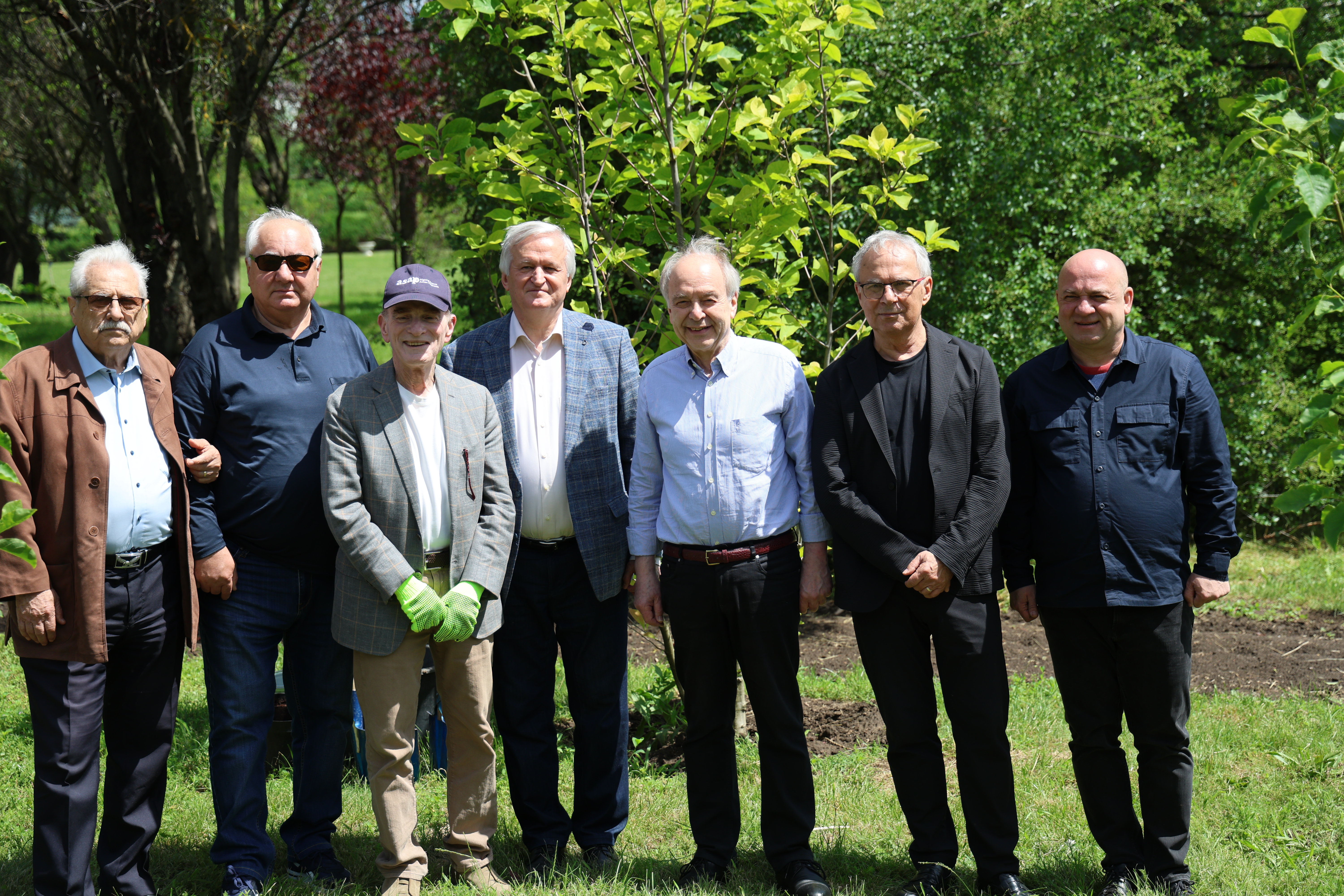
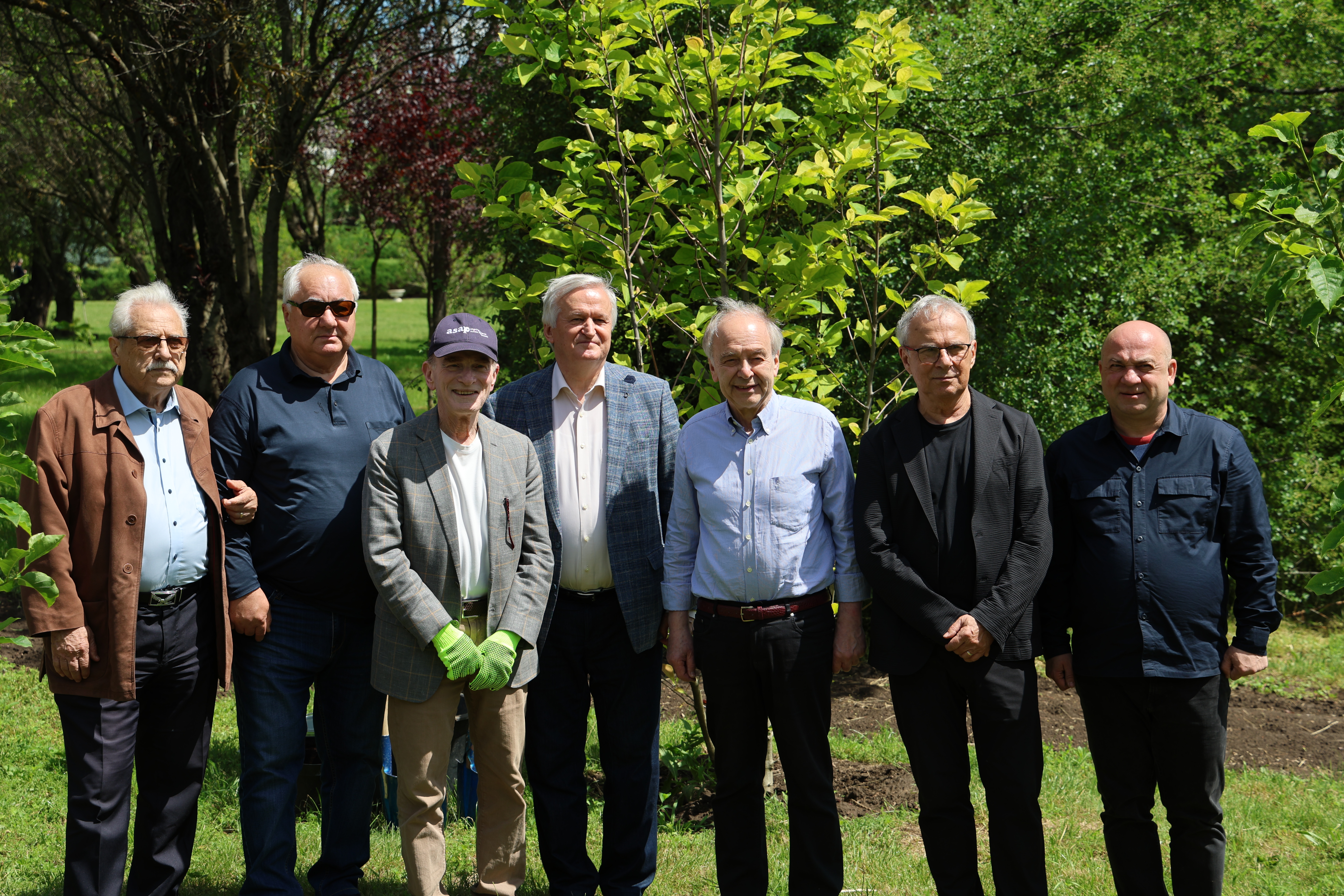
The event was attended by Prof. Randy Schekman, Nobel Laureate in Physiology or Medicine, Professor at the University of California, Berkeley, USA, Honorary Member of the Academy of Sciences of Moldova and a scientist with Bessarabian roots; Prof. Klaus Mainzer, President of the European Academy of Sciences and Arts, Honorary Member of the Academy of Sciences of Moldova; as well as Academician Marius Andruh, President of the Romanian Academy, Honorary Member of the Academy of Sciences of Moldova.
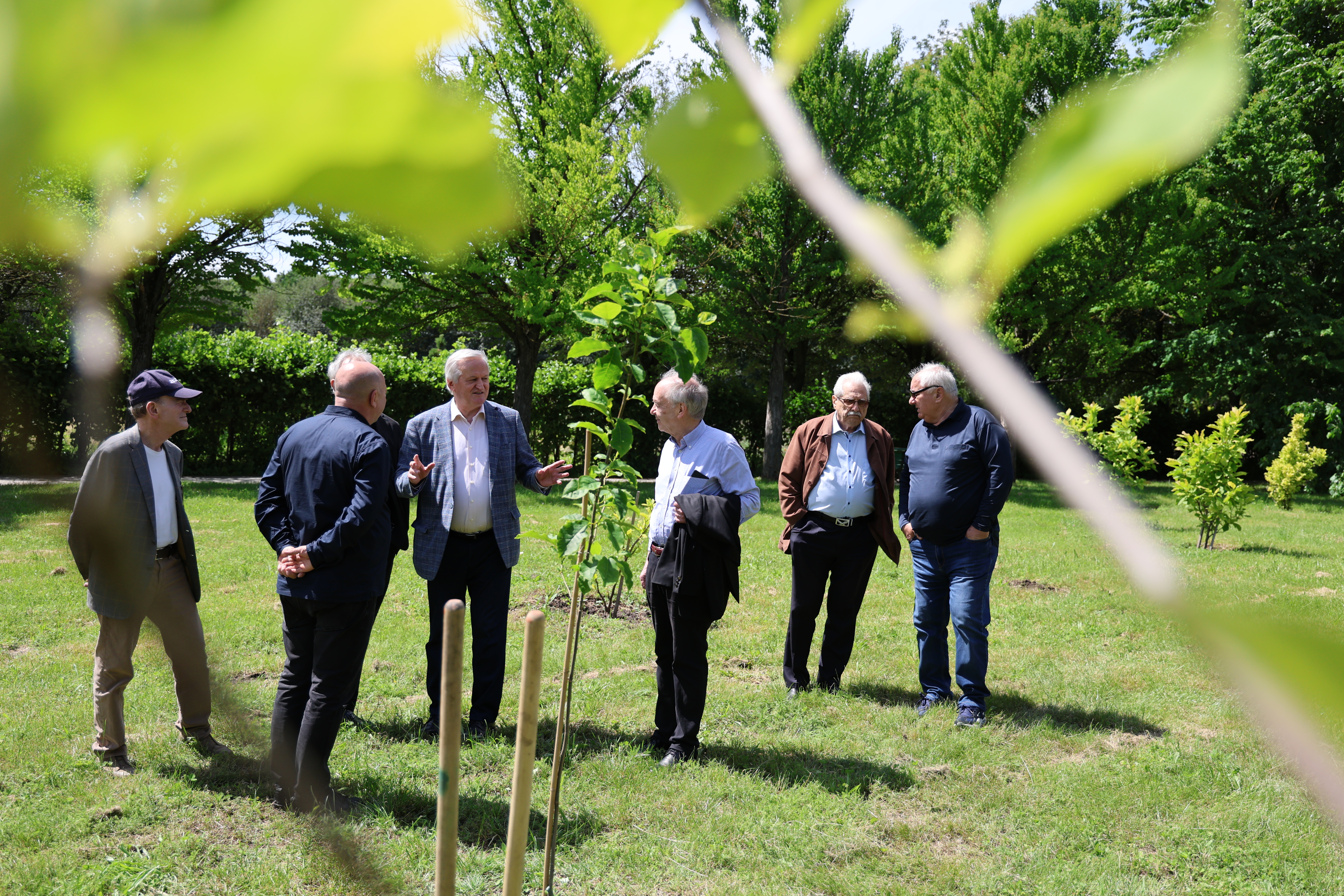
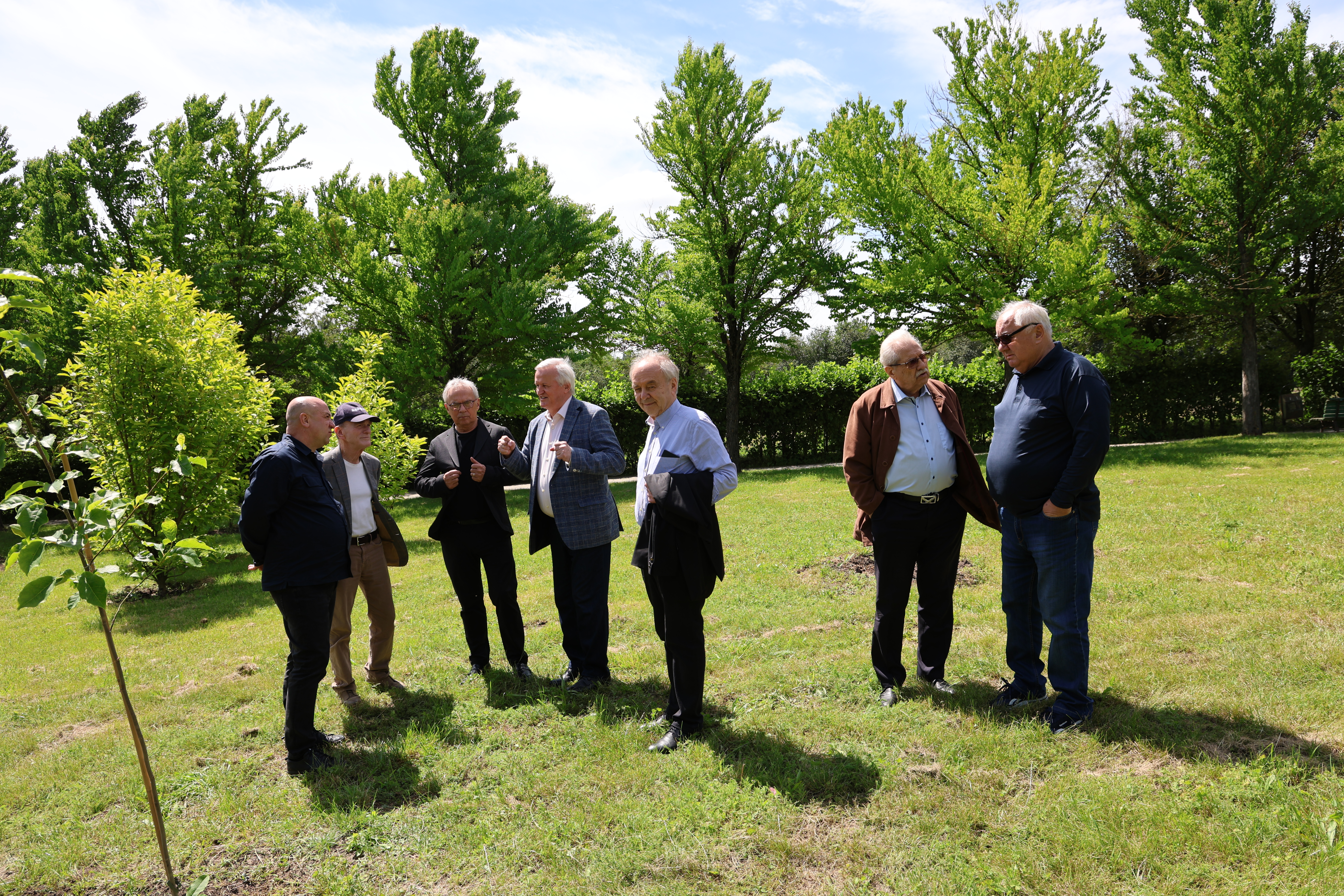
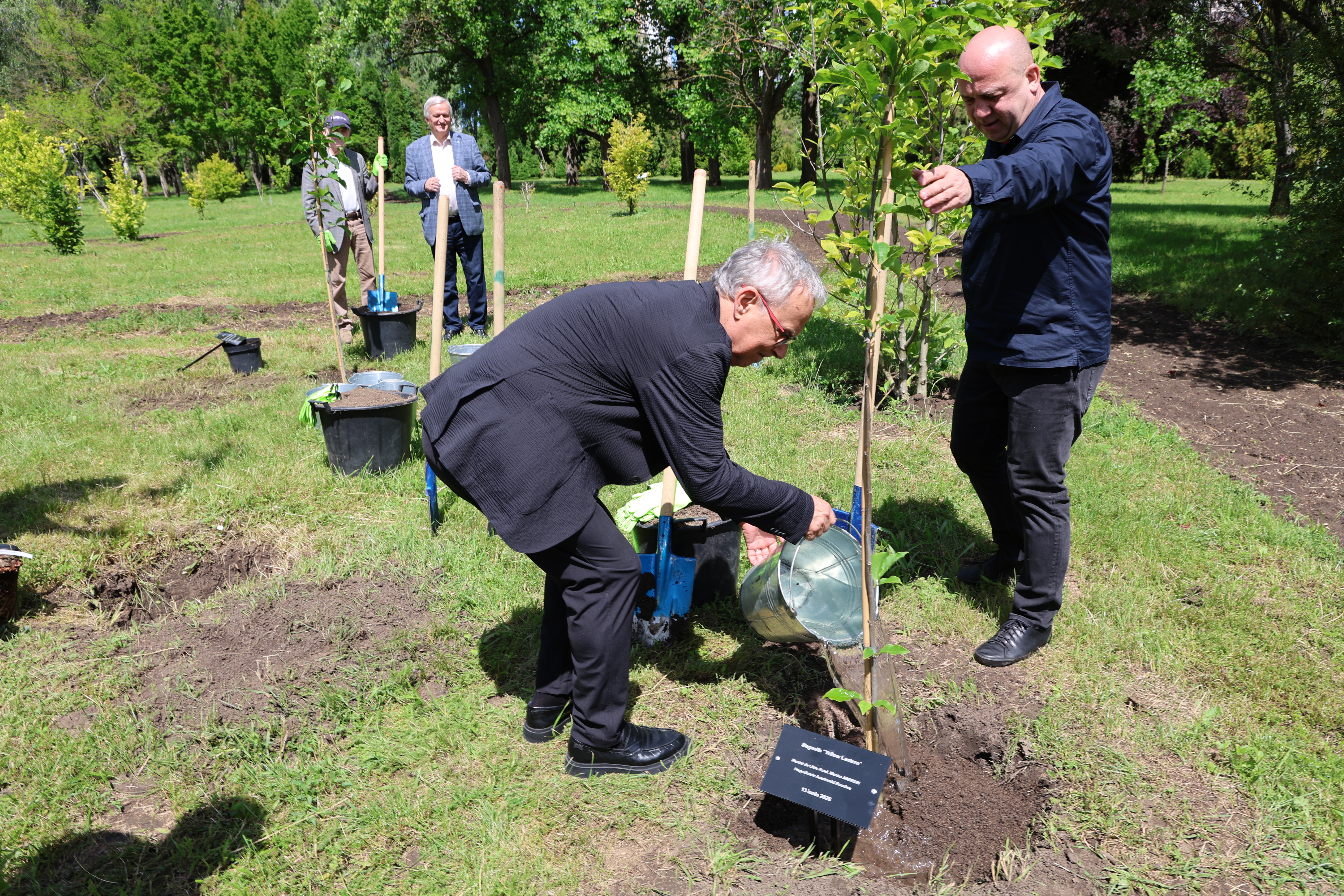
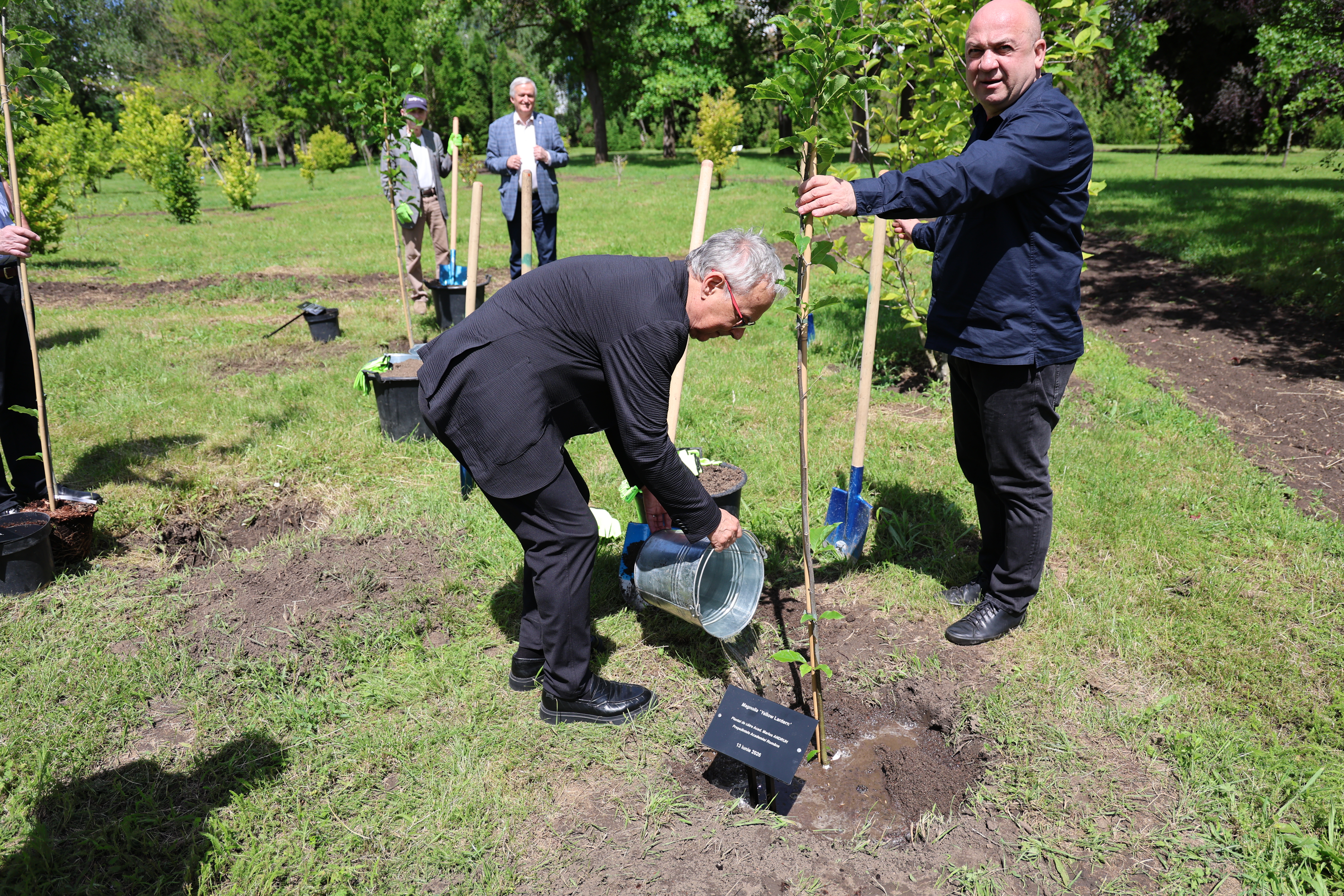
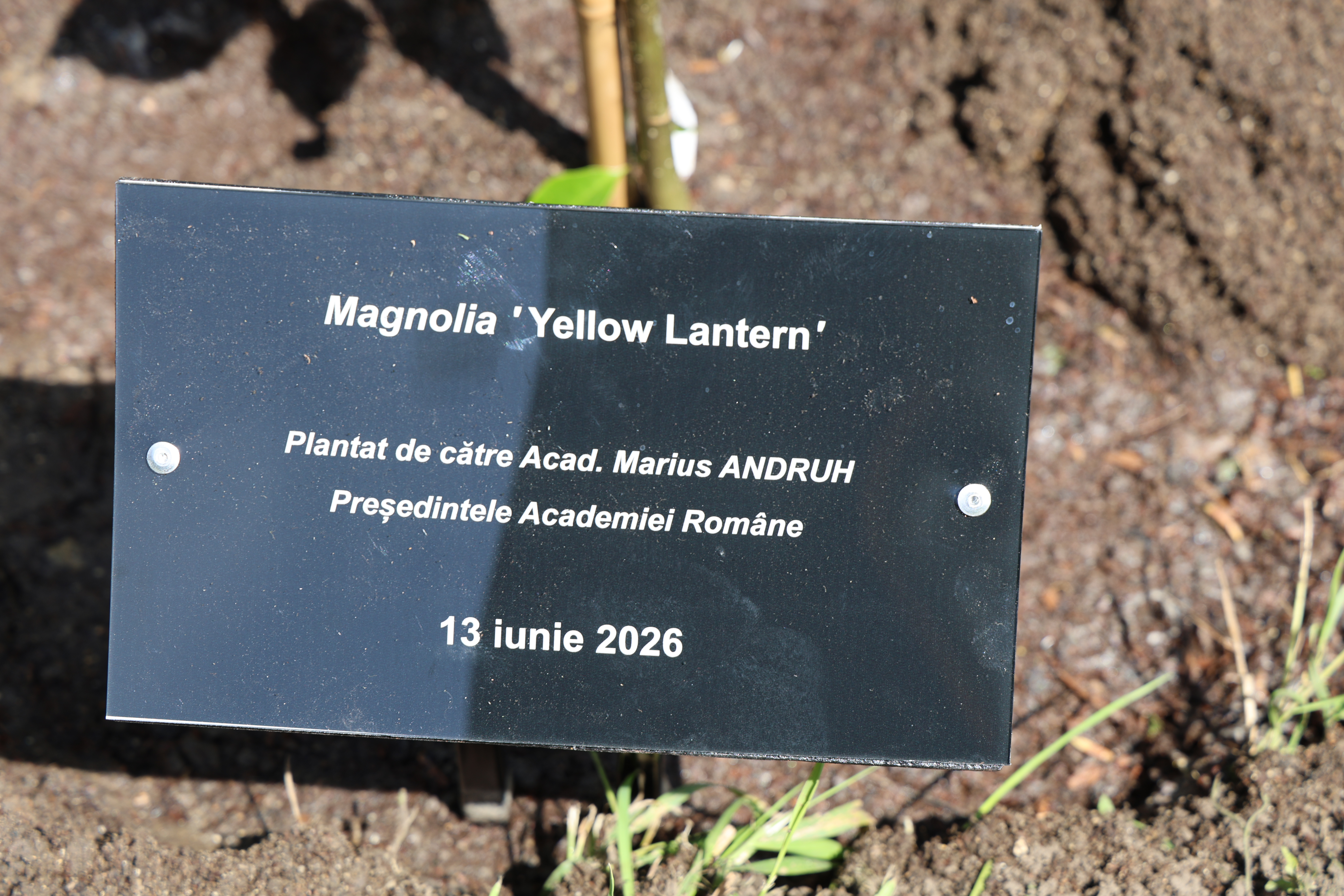
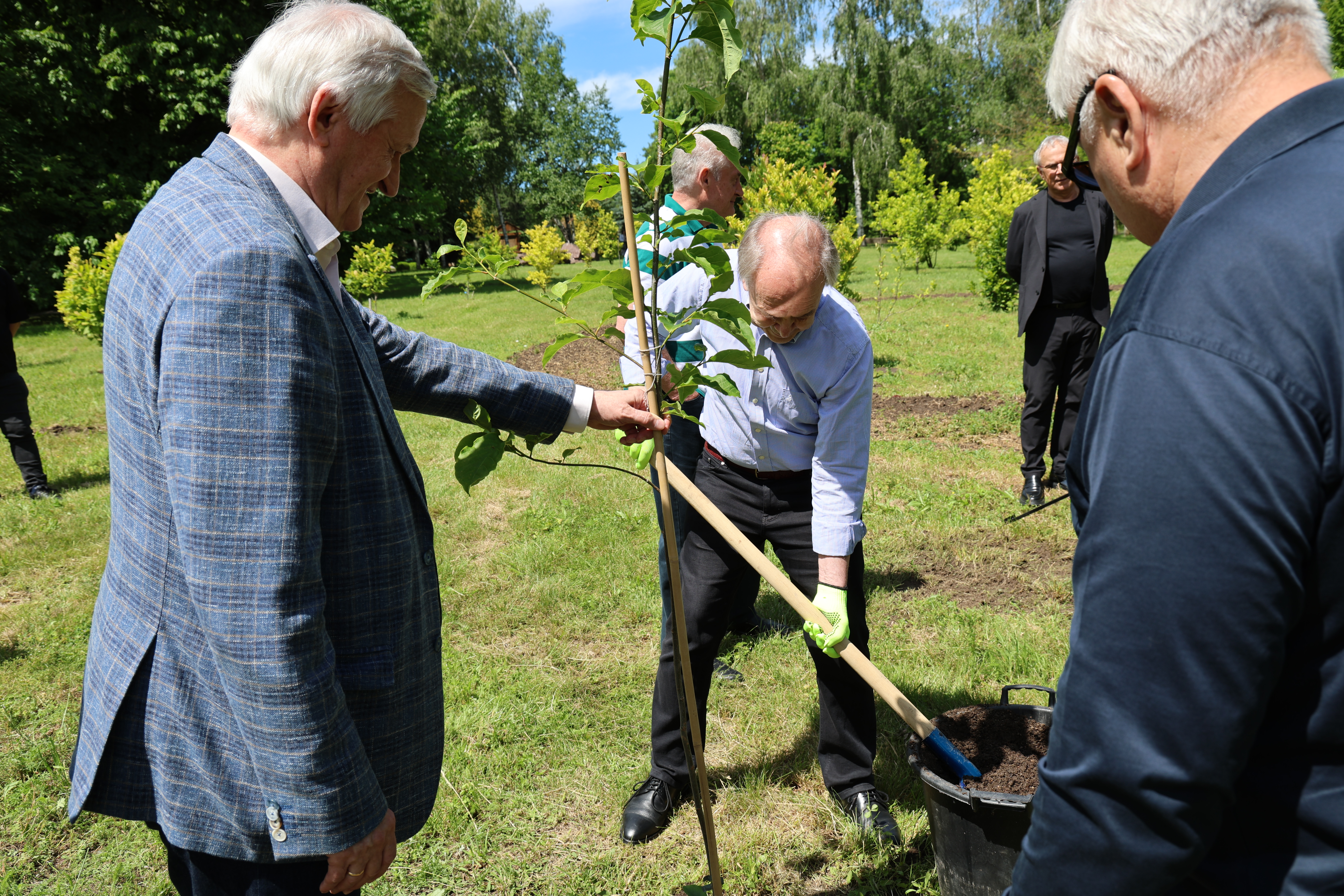
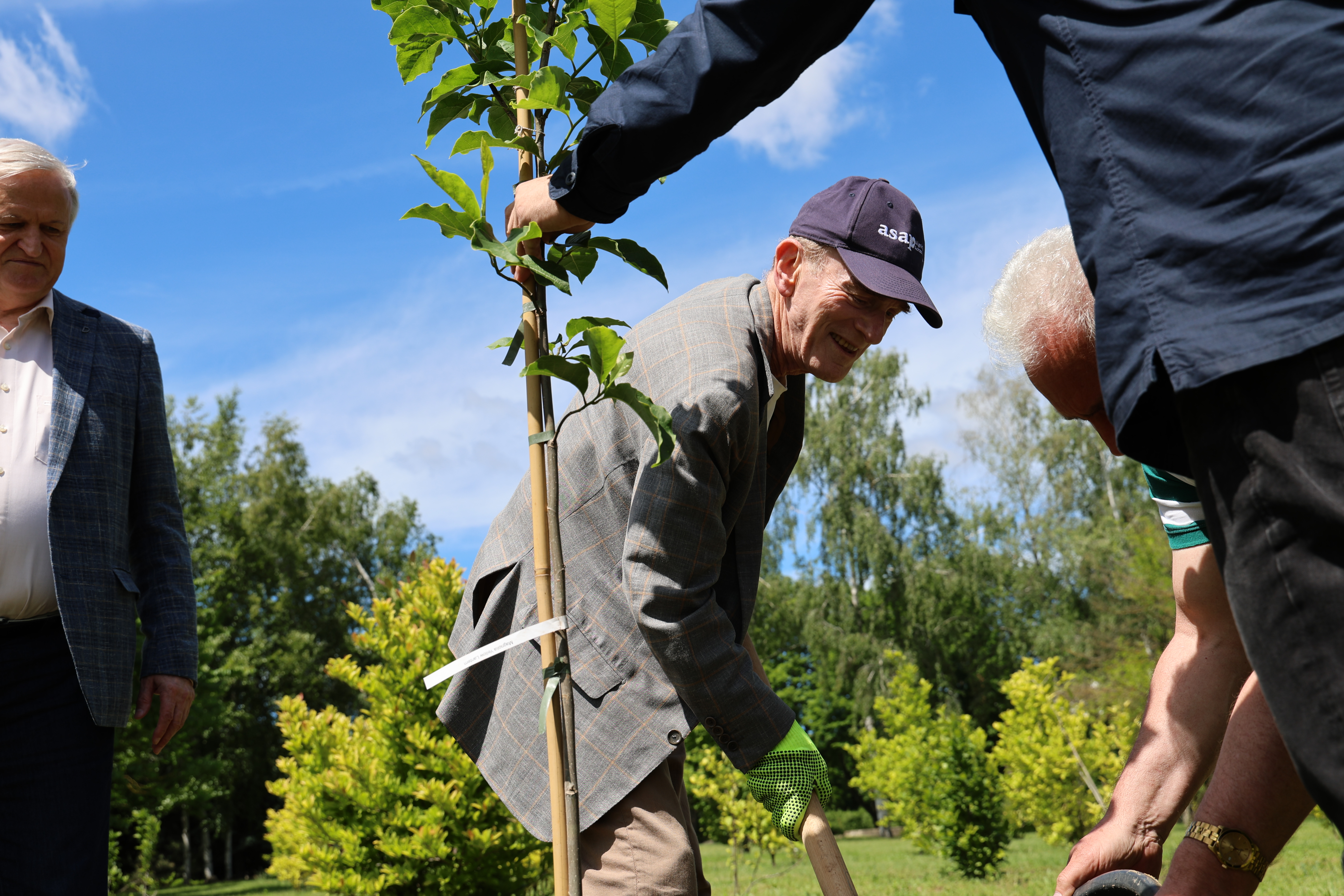
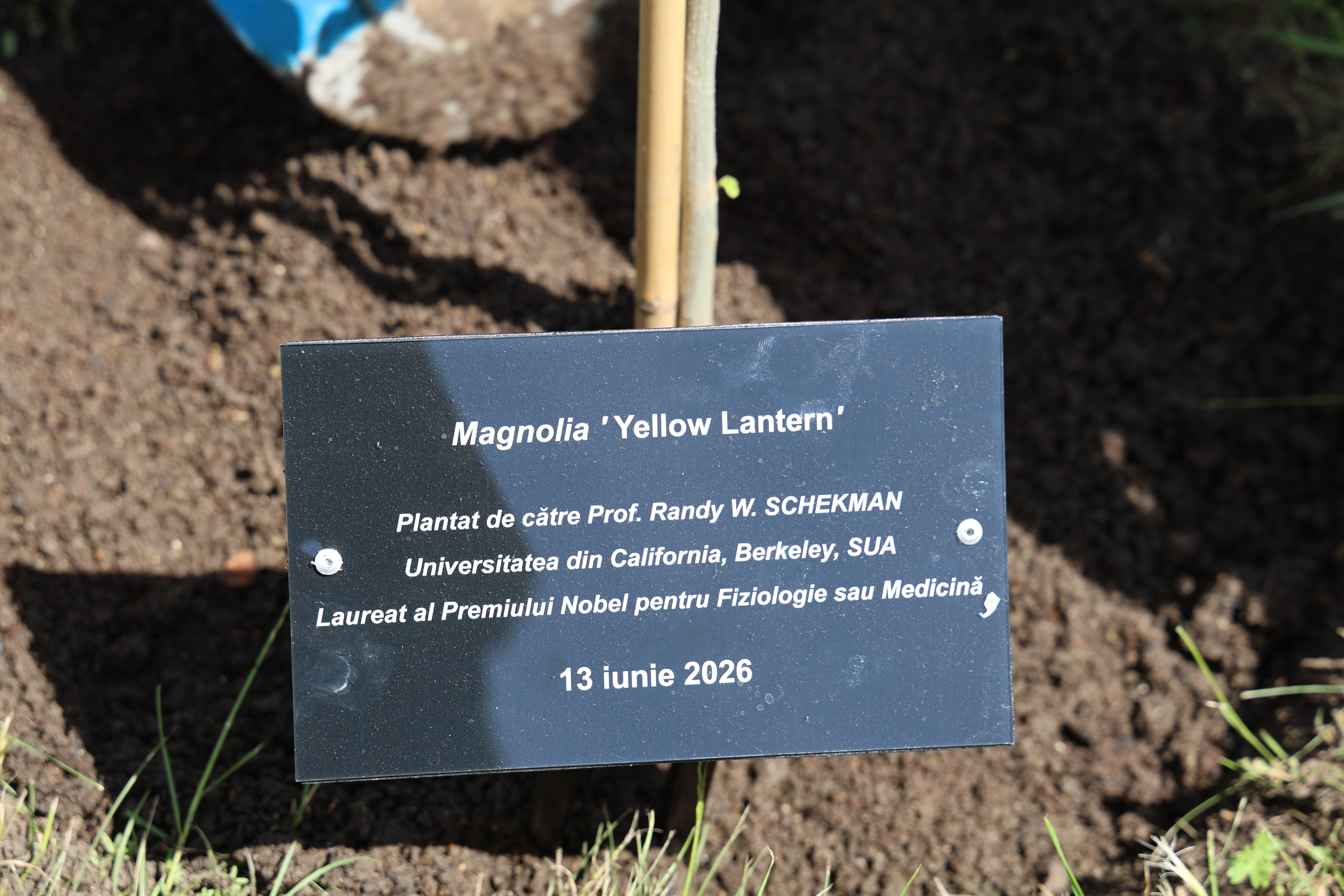
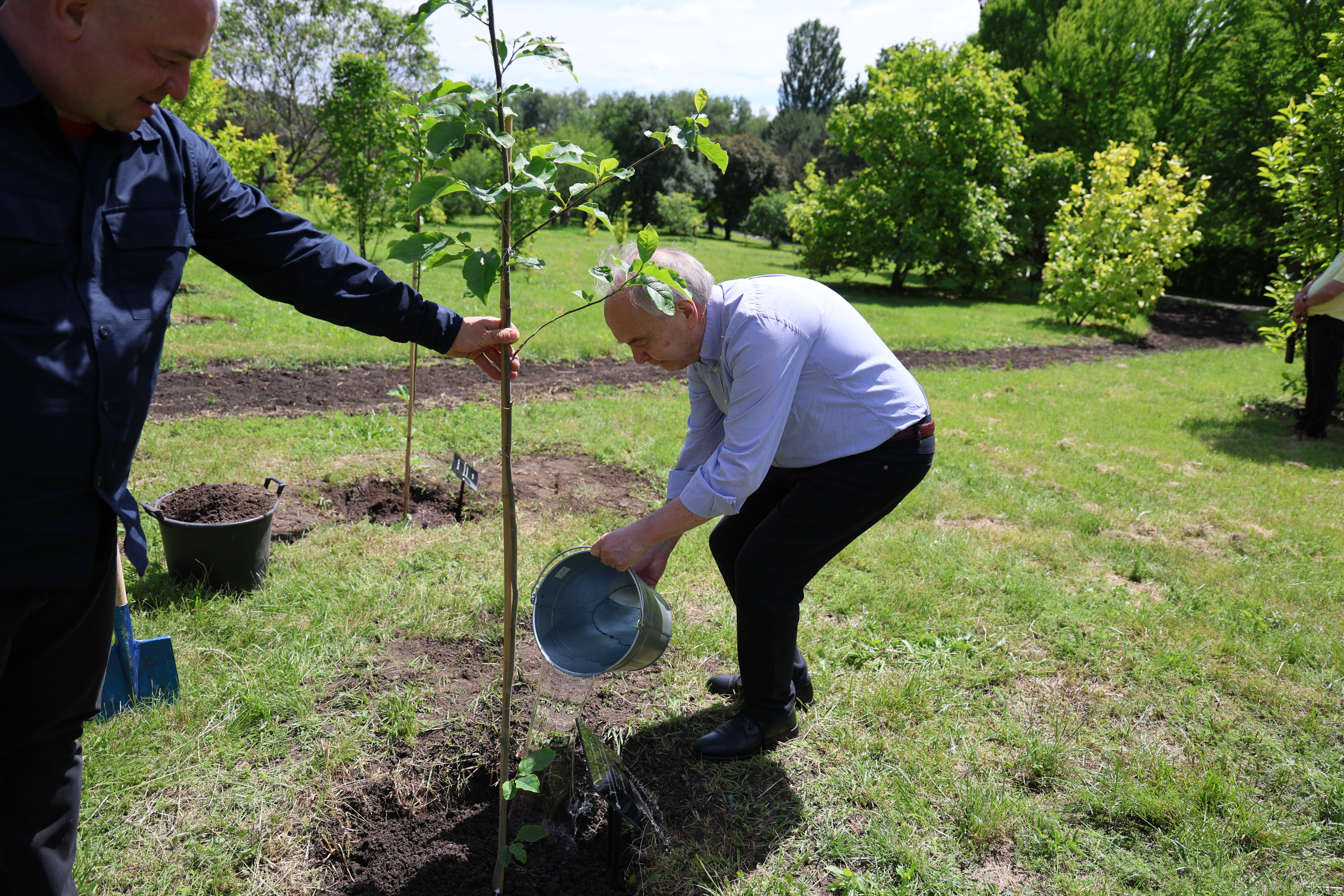
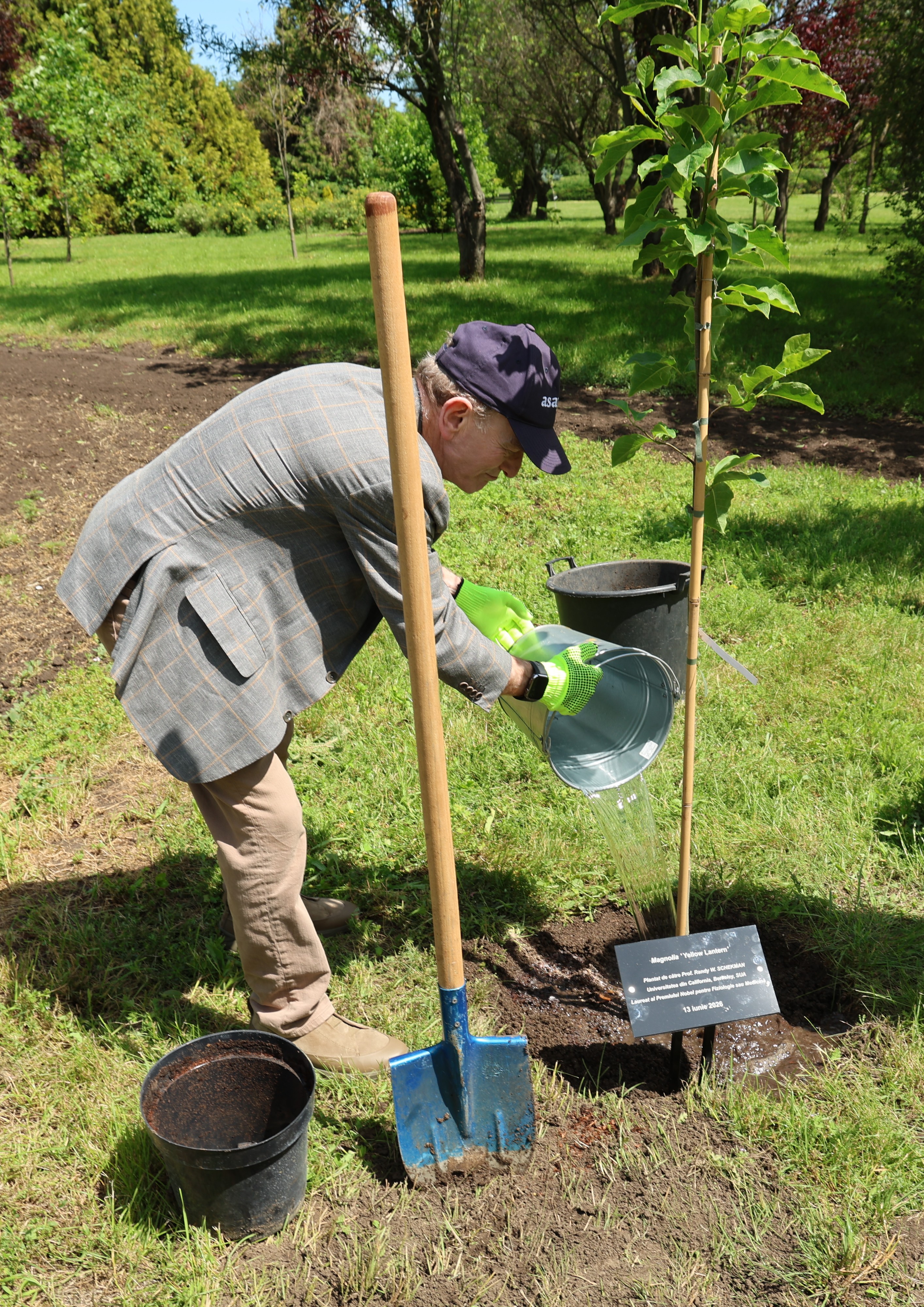
As a sign of appreciation for the role of science in the development of society and for the strengthening of international academic cooperation, the distinguished guests each planted a magnolia on the grounds of the National Botanical Garden. The gesture carries profound symbolic meaning, suggesting the continuity of knowledge, responsibility towards nature, and the connection between generations of researchers who contribute to the progress of science.
Afterwards, the guests visited the research institute, becoming acquainted with its scientific activities, valuable botanical collections and projects implemented by the institution’s specialists. The visit was part of the program of events dedicated to the two important anniversaries of the Academy of Sciences of Moldova.
In recent years, the Republic of Moldova has increasingly asserted itself as a space for international academic dialogue, hosting prominent personalities of world science, Nobel Laureates, representatives of the International Science Council and of prestigious national and European academies. The strengthening of international scientific cooperation, the development of new academic platforms and the revitalization of traditional partnerships contribute to increasing the visibility of Moldovan research at regional, European and global levels.
Cristina Bumbu